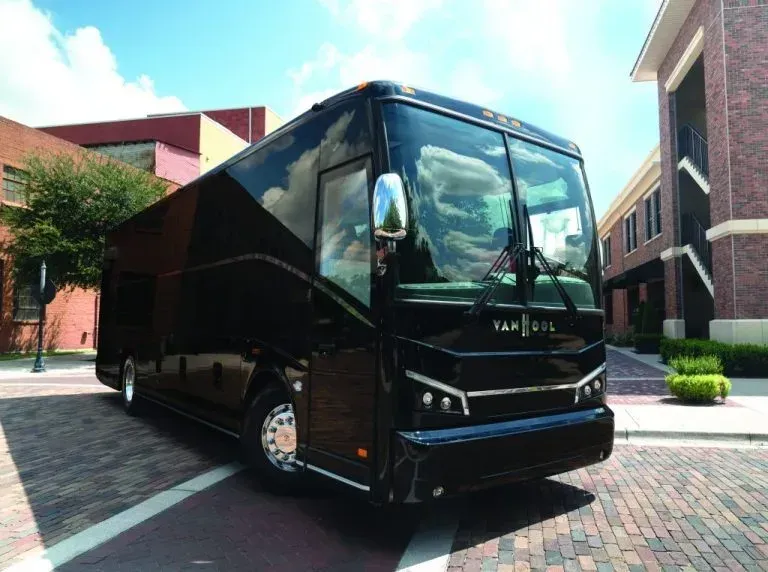
Managing transportation for a large group can rapidly become a complicated undertaking when numerous schedules, pickup plans, and travel expectations must be considered. Whether the gathering consists of corporate events, family festivities, organized outings, or special occasions, ensuring timely group arrivals demands strategic planning. A well-organized transportation strategy helps eliminate confusion, reduces delays, and creates a more enjoyable experience for everyone involved. By understanding the key elements of group transportation coordination, organizers can create a seamless travel experience from beginning to end.
When numerous travelers journey together, transportation extends beyond basic passenger movement between locations. It plays a valuable role in shaping the complete event experience. Well-managed coordination assists with maintaining schedules, encouraging communication, and creating a more pleasant travel experience. At A1 Quality Express Limousine, we appreciate the importance of delivering organized transportation arrangements that support convenient and reliable group travel.
Plan Transportation Ahead of Time
Effective group transportation starts with advance preparation. Leaving transportation planning too late may restrict options and complicate efforts to address specific group needs. Organizers should begin by determining the number of passengers, travel dates, estimated departure times, and destination requirements. Early information gathering lays the groundwork for transportation arrangements that complement the event timeline.
Proactive planning creates time to address concerns before they develop into larger obstacles. Various factors, including traffic patterns, pickup arrangements, accessibility requirements, and event schedules, may influence transportation decisions. Taking care of these elements early allows organizers to implement transportation plans that keep travelers moving effectively. Comprehensive planning frequently leads to more seamless travel experiences and fewer surprises.
Determine the Exact Size and Needs of the Group
One of the most important more info steps in coordinating transportation for large groups is understanding the group's size and specific requirements. Accurate passenger counts help ensure the appropriate vehicles are selected and prevent overcrowding or underutilized transportation resources. Organizers should determine attendance figures in advance and continue refining them as plans develop.
Passenger counts are important, but personal requirements within the group should also be considered. Certain passengers may need extra storage capacity, while others may require accessibility support or special arrangements. Recognizing these requirements helps transportation plans be tailored appropriately. Taking the time to gather comprehensive information helps create a more comfortable and efficient experience for all passengers.
Develop a Comprehensive Transportation Schedule
A well-defined transportation schedule functions as a guide for the whole group. Organizers should clearly list departure times, pickup locations, journey durations, arrival objectives, and planned route stops. A clear schedule helps eliminate uncertainty and keeps all participants informed of timing and locations. Maintaining clarity and consistency is crucial when coordinating transportation for large groups.
Communication is a key factor in ensuring schedules work effectively. Every passenger should receive transportation details well before the event begins. Distributing itineraries via email, messaging apps, or printed documents ensures everyone stays informed. Well-defined expectations contribute to smoother and more efficient transportation execution.
Designate Centralized Gathering Locations
Handling several pickup points can add unnecessary complications to large-group travel. Whenever possible, organizers should establish centralized pickup and drop-off points that are convenient for participants. Combining meeting points simplifies boarding procedures and reduces delays from multiple stops. It also simplifies communication and improves overall efficiency.
These locations simplify passenger tracking before the journey begins. Team leaders can confirm group members, distribute information, and handle inquiries before departure. This organized approach helps ensure that everyone is prepared and that transportation operations stay on schedule. Clear gathering points play a major role in creating smooth travel experiences.
Emphasize Clear Communication Across the Entire Process
Strong communication is a critical factor in effective coordination of group travel. Travelers should be consistently informed about timing, pickup guidance, expectations, and updates. Providing precise details helps avoid confusion and improves readiness. Clear communication contributes to smoother operations and happier passengers.
Coordinators should set up consistent communication methods for all updates. Group messaging systems, email notifications, and designated contact persons can help ensure information reaches all participants quickly. Throughout any effective transportation plan, communication acts as the central link keeping everyone aligned. Ongoing communication supports confidence and limits disruptions.
Anticipate Unforeseen Situations
No matter how detailed the plan, unexpected conditions may still arise. Weather issues, traffic delays, schedule changes, and participant lateness may require fast decisions. Flexibility within planning improves the ability to handle sudden changes. Preparation creates greater resilience and helps maintain smooth operations despite changing conditions.
Emergency planning should involve alternate communication methods, route options, and responsible contacts. Established procedures help minimize stress and ensure structured responses to challenges. Proactive strategies help maintain efficiency during necessary adjustments.
Prioritize Traveler Comfort and Ease
Comfort is a major factor in the overall travel experience. Large groups frequently travel for long durations, making comfort and convenience essential. Comfortable seating, structured boarding, and a well-managed environment contribute to a positive travel experience. A comfortable journey helps travelers arrive refreshed and ready.
Convenience is an important factor in smooth transportation management. Simplified processes help avoid confusion and delays for passengers. Proper organization allows travelers to focus on the experience rather than planning details. Convenient travel arrangements support a more successful overall experience.
Engage Professional Transportation Specialists
Managing large-group transportation requires coordination across many factors, making expert support beneficial. Experienced teams are skilled in managing logistics and maintaining smooth operations. Professional experience helps ensure structured and dependable transportation planning.
Experienced teams offer insights that improve planning and execution. Their understanding of group transport enables them to predict challenges and provide solutions. With professional help, organizers can focus on the event while logistics are managed with precision.
Integrate Group Transportation Into the Event Experience
Transportation should be considered part of the event rather than just a way to travel. Proper coordination gives travelers time to unwind and connect before reaching their destination. Effective transportation planning improves the overall experience and fosters a professional atmosphere.
At A1 Quality Express Limousine, we know that successful transportation is built on planning, communication, and service excellence. Managing group transportation becomes easier when effective strategies are used. Attention to structure and comfort ensures successful group transportation experiences. We take pride in offering transportation solutions that support confident and stress-free travel.